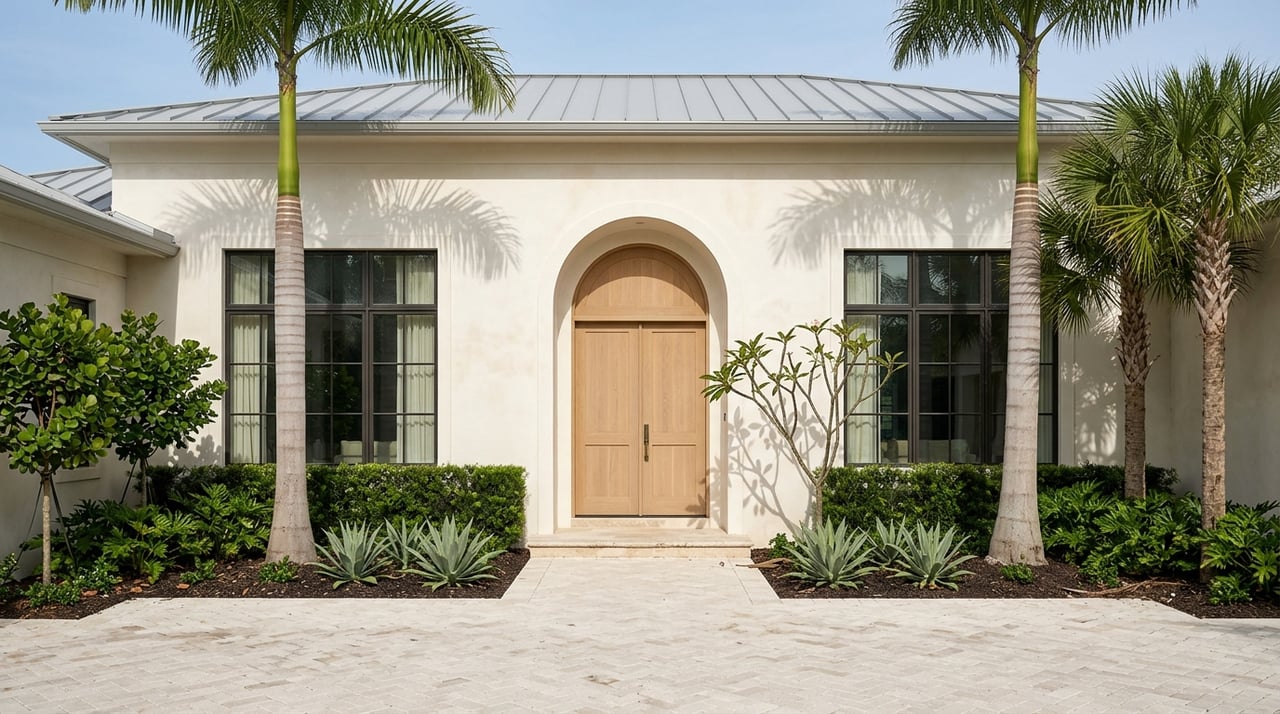
Palm Beach Condo And Estate Living Compared
June 4, 2026
June 4, 2026
Choosing between a Palm Beach condo and a Palm Beach estate is about more than square footage or style. You are weighing convenience against control, privacy against shared governance, and low day-to-day upkeep against hands-on ownership. If you are trying to decide which lifestyle fits you best, this guide will walk you through the real differences so you can make a more confident move. Let’s dive in.
Palm Beach is not a typical luxury market. It is a barrier-island community, and the town’s coastal setting makes storm readiness, flood insurance, exterior maintenance, and long-term planning especially important for owners.
The local housing mix also helps explain why this decision matters. According to the Town of Palm Beach FY2026 budget, condominiums and cooperatives make up 67.2 percent of parcels in town, while single-family parcels make up 26.3 percent. At the same time, single-family property accounts for 70 percent of taxable value, which shows how significant estate ownership is in the market.
For many buyers, this is not simply a question of price point. It is a question of how you want to live, how much responsibility you want to carry, and how much flexibility you want over time.
A condominium in Florida is a specific form of ownership. You own your unit and also share an undivided interest in the common elements, and the property is operated by an association under Florida law.
That ownership structure shapes daily life. The association is generally responsible for common-element maintenance, and common expenses may include maintenance, repair, replacement, security services, road maintenance, and other shared costs that benefit unit owners.
For you, that often means less direct oversight of the building’s exterior and common areas. In exchange, you take on recurring association fees and a governance structure that affects how decisions are made.
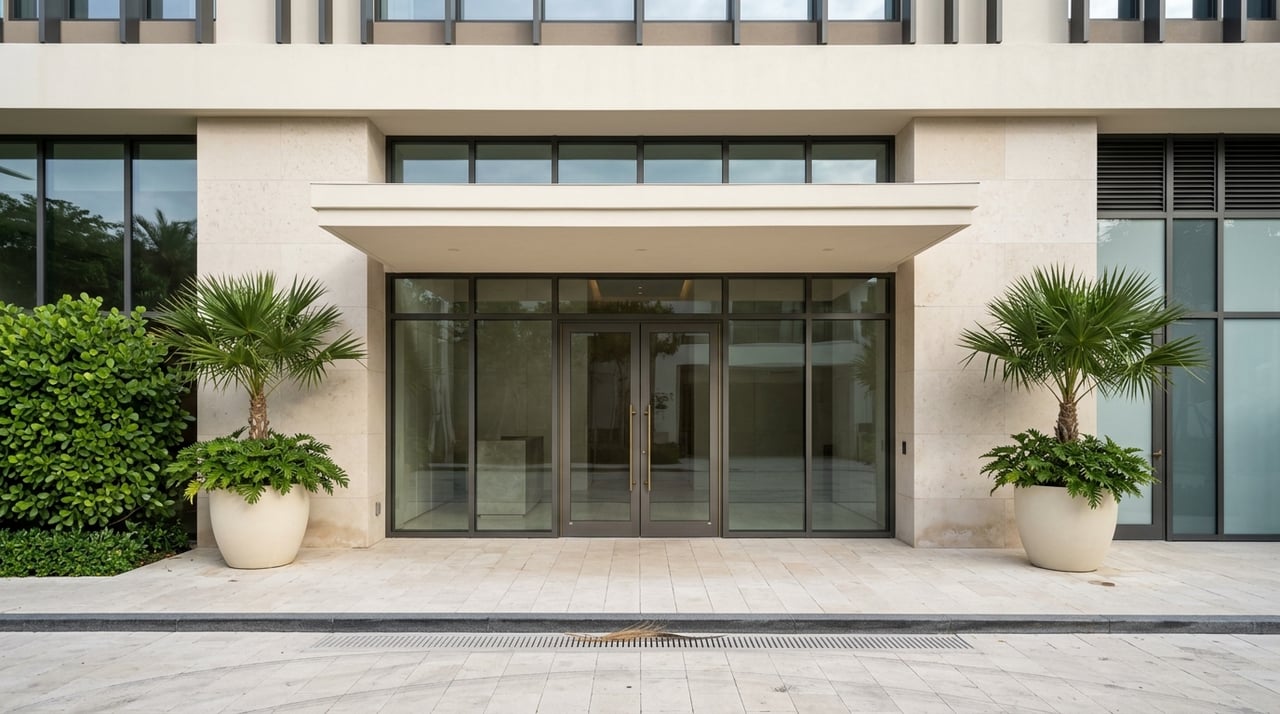
Palm Beach condos often appeal to buyers who want a more service-oriented ownership experience. If you are looking for a seasonal home or a lower-effort lifestyle, this can be a major advantage.
Common benefits often include:
This is often why condo living feels easier to manage, especially if you do not want to coordinate multiple vendors yourself.
Convenience comes with structure. Condo owners are governed not only by Florida statute, but also by the declaration and bylaws of the association.
That means your flexibility may be more limited than it would be in a detached home. Owners, tenants, and invitees must comply with the governing documents, and associations can enforce rules, levy reasonable fines, suspend certain use rights for violations, and in some cases charge transfer fees.
Another major issue for today’s buyers is reserve planning. Under current Florida law, residential condominium associations for buildings three stories or higher must complete structural integrity reserve studies at least every 10 years, and budgets adopted on or after December 31, 2024 cannot simply waive reserves for required items in associations subject to that study.
This matters because reserve funding directly affects monthly costs and the possibility of future assessments. If you are considering a condo, reviewing the building’s financial and maintenance planning is essential.
A Palm Beach estate offers a very different ownership experience. Unlike a condominium, a single-family estate is not part of the condo common-element and reserve structure.
Instead, estate ownership is shaped mainly by local zoning, permitting, preservation review, and any deed restrictions or homeowners’ association rules that may apply to a specific property. Palm Beach zoning includes a Large Estate Residential district, and the town’s planning framework places strong emphasis on preserving the community’s built character.
For you, that usually means more direct control over your property, but also more direct responsibility.
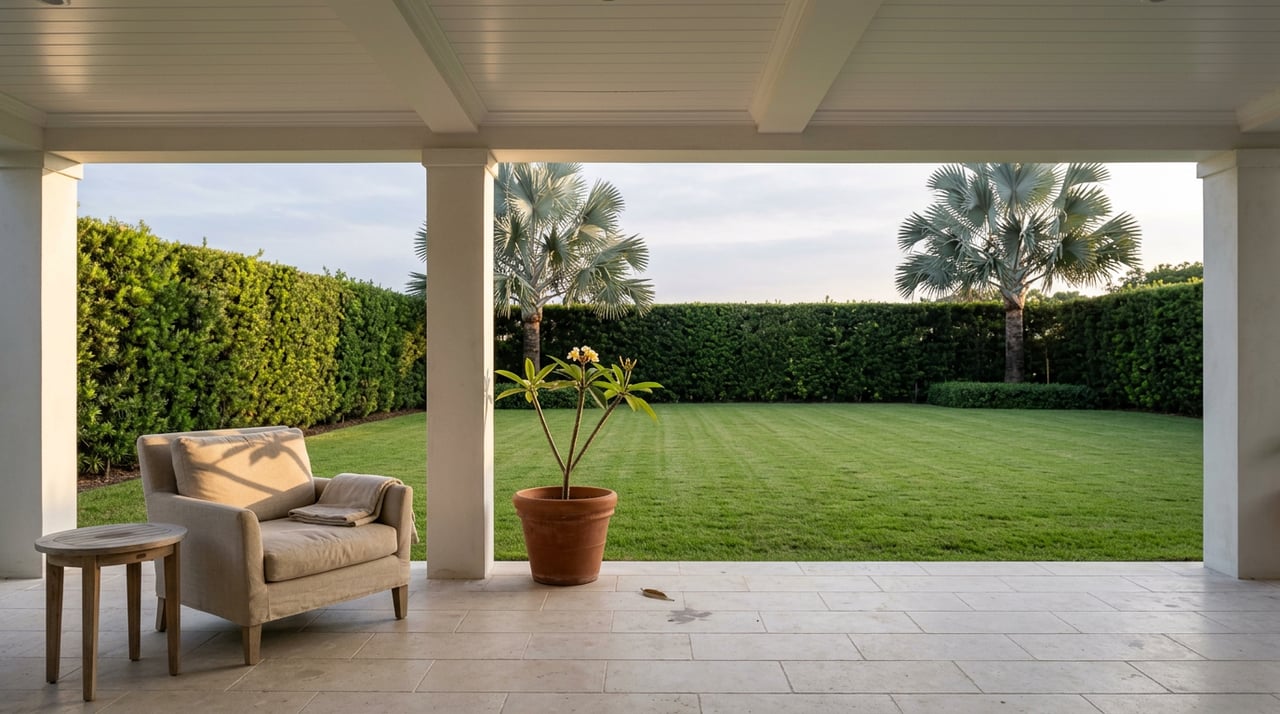
Estate ownership often appeals to buyers who want privacy, autonomy, and room to personalize. Because these homes are detached and often located on larger lots, they generally provide more physical separation than condo living.
Many buyers value estates for reasons like:
If you want your home to reflect your preferences in a very personal way, an estate often offers more latitude.
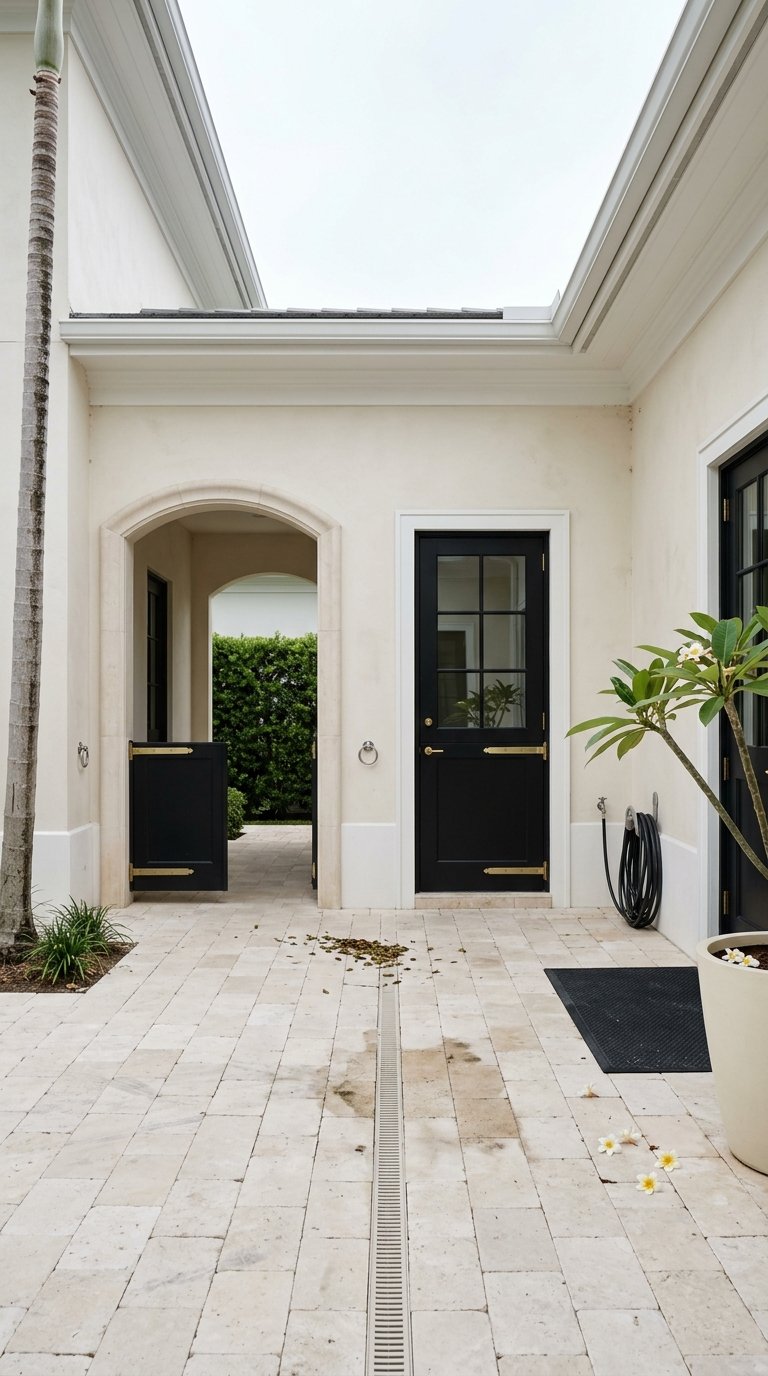
With that freedom comes a longer to-do list. When you own a home, you are directly responsible for maintenance and repairs, from routine items to major systems.
In Palm Beach, that can also mean managing landscapers, pool service, cleaners, security vendors, and contractors. Some owners enjoy that control, while others prefer not to spend time overseeing the details.
It is also important to understand that estate ownership in Palm Beach is still highly regulated. Exterior changes, additions, and renovations must comply with town zoning, building requirements, and preservation review, and the town also regulates construction and landscaping hours.
Whether you buy a condo or an estate, Palm Beach’s barrier-island setting affects ownership in meaningful ways. The town explicitly frames shoreline management around wind, waves, and sand movement, which makes coastal exposure a practical issue rather than a background detail.
Flood insurance deserves special attention. Palm Beach notes that standard homeowner’s insurance does not cover flooding, and the town publishes FEMA flood maps to help property owners understand local risk.
There is one meaningful local benefit to know. The Town of Palm Beach is an NFIP Community Rating System Class 6 community, which gives NFIP flood-insurance policyholders a 20 percent discount.
Even with that discount, both condo and estate buyers should carefully evaluate flood zone, wind mitigation, and replacement-cost planning before they purchase. These are not small line items in a coastal luxury market.
If rental potential is part of your decision, Palm Beach has rules you need to know early. The town states that short-term rentals, including Airbnb, are prohibited.
The code defines residential use as occupancy of not less than three months, with limited exceptions. The town also notes that long-term rentals are allowed if only one property is being rented, while owning more than one rental unit in town can trigger a business-tax-receipt requirement.
For condo owners, rental flexibility may be even narrower because association documents can add leasing restrictions, approval requirements, or other rules. For estate owners, the town remains the main source of oversight unless a specific homeowners’ association also applies.
If you are thinking about seasonal use, investment planning, or future leasing, this is one of the most important areas to review before you commit.
If you are deciding between the two, it helps to look beyond the finish level and focus on how ownership actually feels.
| Lifestyle Factor | Palm Beach Condo | Palm Beach Estate |
|---|---|---|
| Daily maintenance | More of it is handled through the association | Managed directly by you or your vendors |
| Monthly carrying structure | Often higher recurring association costs | Fewer shared fees, but more direct property expenses |
| Privacy | Usually less separation due to shared building structure | Generally more separation on a detached lot |
| Governance | Association rules, bylaws, budgets, and board oversight | Town zoning, permitting, and any applicable deed or HOA rules |
| Customization | Often more limited by building and association rules | More control, subject to town approvals |
| Best fit | Buyers seeking convenience and a lower-effort ownership model | Buyers seeking autonomy, privacy, and personalization |
A condo may be the better fit if you want a refined Palm Beach base with less daily property management. Many buyers in this category value convenience, shared services, and a lock-and-leave style of ownership.
An estate may be the better fit if you want more privacy, more direct control, and more say in how your property functions over time. Buyers who choose estates are often comfortable managing maintenance, planning improvements, and working through local approvals.
In Palm Beach, the right answer often comes down to one central question: how much control do you want to trade for convenience? Once you answer that honestly, the path usually becomes much clearer.
If you are weighing condo versus estate living in Palm Beach, working with an advisor who understands both the lifestyle side and the practical ownership side can make the process much easier. To explore your options with calm, experienced guidance, connect with Julie Nelson.
Stay up to date on the latest real estate trends.

Julie offers a tailored real estate experience built on market expertise, discretion, and a genuine commitment to her clients’ success.